What is Organic Fertilizer?
Organic fertilizer is derived from natural sources, such as plant and animal materials, aimed at enriching the soil and promoting healthy plant growth. Unlike synthetic fertilizers, which are chemically manufactured and provide nutrients in concentrated forms, organic fertilizers supply essential nutrients through organic matter that decompose and enrich the soil over time. This fundamental distinction highlights the significance of organic fertilizers in sustainable gardening practices.
The components of organic fertilizers include a variety of materials such as compost, manure, and bone meal, all of which contribute to the nutrient content in different ways. Compost, for instance, is a rich mixture of decomposed organic matter, while manure provides both macronutrients and micronutrients essential for plant health. The breakdown of these materials not only supports nutrient availability but also improves soil structure, leading to better aeration and water retention.
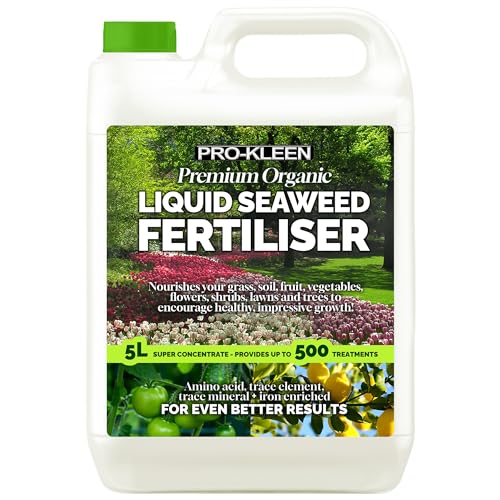
- ORGANIC SEAWEED FERTILISER: Experience the power of Pro-Kleen's Liquid Seaweed Fertilizer, offering a comprehensive blen...
- CONTAINS 100% NATURAL & ORGANIC SEAWEED: Unlike other fertilisers, Pro-Kleen's formula contains natural and organic seaw...
- SUITABLE FOR A VARIETY OF PLANTS: This garden fertilizer is suitable for use on grass, soil, fruit, vegetables, flowers,...
The benefits of using organic fertilizers extend beyond mere nutrient provision. They promote ecological balance within the soil, fostering beneficial microbial activity that enhances nutrient cycling. The use of organic materials can reduce the risk of groundwater contamination often associated with synthetic fertilizers, making them a safer choice for both the environment and human health. Furthermore, organic fertilizers contribute to long-term soil fertility, ensuring that gardening practices can be viable for years to come.
In summary, organic fertilizers represent a natural alternative to synthetic options, enriching soil health and promoting sustainable gardening. By utilizing materials such as compost and animal waste, gardeners can enhance their gardens while supporting ecological integrity and soil productivity.
Importance of Nutrient Release Rates
Understanding the nutrient release rates of fertilizers is crucial for effective gardening. Organic fertilizers are characterized by their ability to release nutrients slowly over an extended period. This gradual release is in stark contrast to synthetic fertilizers, which often deliver a quick and immediate boost of nutrients. While synthetic options can provide rapid results, they can also lead to nutrient leaching and potential harm to the soil ecosystem. Organic fertilizers, derived from natural sources, formulate a more sustainable alternative, allowing nutrients to be absorbed by plants at a balanced pace.
One of the primary benefits of slow nutrient release is how it aligns with the natural growth patterns of plants. Organic fertilizers improve soil health and enhance the overall fertility of gardening environments. This slow-paced nutrient availability supports plant development over time, reducing the risk of over-fertilization which can damage sensitive root systems. Furthermore, as organic matter breaks down, beneficial soil microorganisms thrive, contributing to an enriched ecosystem within the soil. This biological activity not only improves nutrient availability but also fosters a healthier environment for plant roots, assisting them in better nutrient and water absorption.
Moreover, the sustainable nature of organic fertilizers has significant implications for long-term soil health. By providing nutrients in a manageable way, they enhance the soil structure and promote greater water retention. This leads to reduced runoff and increased resistance to drought conditions, making gardens more resilient. The importance of understanding nutrient release rates cannot be overstated; gardeners who utilize organic fertilizers benefit not only their plants but also the wider ecosystem, creating a harmonious balance between gardening practices and environmental stewardship.
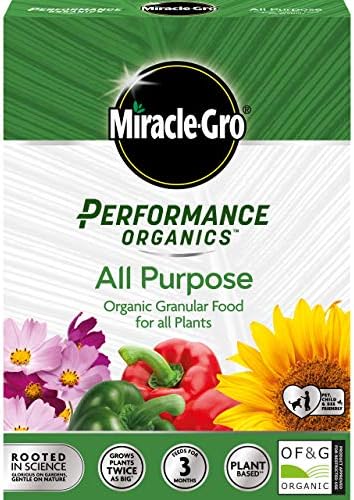
- High-performance organic granular plant food – grows plants twice as big, organically
- Perfect for pots, containers, beds and borders
- Fast acting and long lasting, feed for up to 3 months – glorious on plants, gentle on nature
Types of Organic Fertilizers
Organic fertilizers come in various forms, each with unique attributes that benefit home gardens. Here, we explore some notable types of organic fertilizers, their nutrient content, and their optimal uses.
1. Compost: Compost is a mixture of decomposed organic matter, such as kitchen scraps, leaves, and grass clippings. It enhances soil structure, water retention, and microbial activity, making it a well-rounded soil amendment. Rich in essential nutrients, compost typically contains nitrogen, phosphorus, and potassium, making it an excellent all-purpose organic fertilizer.
2. Manure: Animal manure, such as cow, chicken, or horse manure, is a rich source of nutrients essential for plant growth. It is high in nitrogen and adds organic matter to the soil, improving its fertility. However, it's important to use well-aged manure to avoid potential pathogens and nutrient burn to plants when applied directly.
3. Fish Emulsion: Fish emulsion is a liquid fertilizer made from byproducts of the fish industry. It is high in nitrogen and trace minerals, providing essential nutrients for vigorous plant growth. This organic fertilizer is particularly effective for leafy vegetables and flowering plants, as it promotes healthy green foliage and robust blooms.
4. Bone Meal: Bone meal is a slow-release source of phosphorus and calcium. It is derived from ground animal bones and is particularly beneficial for promoting root development and flowering in plants. Bone meal is well-suited for use in flower and vegetable gardens, as it encourages strong root systems and enhances overall plant vigor.
5. Seaweed: Seaweed fertilizers, available in both liquid and granular forms, are derived from various types of marine algae. They are rich in micronutrients and growth hormones, which can boost plant health and resistance to stress. Seaweed is ideal for use in vegetable gardens and can enhance soil fertility, making it a versatile option for all types of plants.

- VERSATILE PLANT FOOD – Boost the health of flowers, vegetables, and lawns with Doff Chicken Manure Multipurpose Fertilis...
- BOOST GROWTH & RESILIENCE – Rich in nitrogen, phosphorus, and potassium, this plant feed strengthens roots, stimulates f...
- EASY-TO-USE FORMULA – This all-purpose garden and lawn feed is supplied as a ready-to-use pellet blend for quick and eff...
Choosing the Right Organic Fertilizer for Your Plants
Selecting the appropriate organic fertilizer for your plants is essential for promoting healthy growth and enhancing productivity. A gardener must consider several factors before making a choice, starting with the specific needs of the plants in question. Different plant varieties have unique nutritional requirements, so understanding these can significantly impact their development.
One crucial consideration is the type of soil in which the plants are rooted. Soil quality can affect nutrient availability, water retention, and pH levels. For instance, sandy soils tend to drain quickly and may require more frequent fertilization, whereas clay soils hold moisture longer and may not need as much organic input. Conducting a soil test can help determine existing nutrient levels and guide the selection of an organic fertilizer that complements the soil’s characteristics.
Another essential factor is the growth stage of the plants. Seedlings often require a different fertilization approach compared to mature plants. For example, a fertilizer high in nitrogen is beneficial for leafy vegetables during their early growth phases, while flowering and fruiting plants may need additional phosphorus and potassium for optimal development. This leads to an understanding of the N-P-K ratios (Nitrogen, Phosphorus, and Potassium), which play a pivotal role in plant health. The N-P-K ratio indicates the percentage of these primary nutrients in fertilizers and should align with the specific needs of plants at their respective growth stages.
In summary, choosing the right organic fertilizer involves considering soil type, understanding the unique nutritional requirements of different plants, and evaluating their growth stages. By doing so, gardeners can provide their plants with the necessary nutrients required for robust and healthy growth, ultimately leading to greater success in their gardening endeavors.
Application Methods for Organic Fertilizers
The application of organic fertilizers can significantly influence their efficiency and the overall health of plants in a home garden. Understanding the different application methods is essential for maximizing nutrient uptake and promoting sustainable growth.
One of the most common methods is broadcasting. This technique involves evenly spreading the organic fertilizer across the soil surface before tilling or as a top dressing. Broadcasting is best used during the early stages of plant growth or prior to planting, allowing the fertilizer to mix with the soil as it is worked in. It is vital to follow the recommended application rates to prevent nutrient burning and ensure optimal growth.
Side dressing is another effective method, especially for established plants. This technique involves applying organic fertilizer in bands along the rows of plants or around the base of individual plants. It is typically performed during the growing season when plants have started to show signs of nutrient deficiency. By placing the fertilizer close to the root zone, plants can more readily absorb the nutrients needed for their growth.
Incorporating organic fertilizers into the soil represents a third method that can be particularly beneficial. This involves mixing the fertilizer directly into the soil before planting. Doing so allows for immediate contact with the root system, which can enhance nutrient availability. It is advisable to incorporate fertilizers into the soil to a depth of at least 6 to 8 inches to ensure that plant roots can access the necessary nutrients throughout their growth cycle.
In conclusion, understanding and implementing these application methods—broadcasting, side dressing, and incorporation—can enhance the effectiveness of organic fertilizers. By following best practices, home gardeners can achieve optimal plant health and ultimately a flourishing garden.
Benefits of Using Organic Fertilizers
Organic fertilizers, derived from natural sources, offer numerous advantages for home gardeners seeking to improve their gardening practices. One of the primary benefits is the enhancement of soil health. Organic fertilizers assist in maintaining a balanced nutrient profile in the soil, thereby promoting a robust ecosystem. This approach ensures the fertility of the soil is sustained over the long term, as opposed to chemical fertilizers which may lead to nutrient depletion.
Improved microbial activity is another significant advantage of organic fertilizers. Soil teeming with beneficial microorganisms is essential for nutrient breakdown and uptake by plants. Organic fertilizers provide a food source for these microorganisms, thereby enhancing their populations. A thriving microbial community supports plant health, allowing for better resilience against diseases and pests.
Moreover, the use of organic fertilizers contributes to reduced chemical runoff into waterways. In contrast to synthetic fertilizers, which can leach into local bodies of water, organic fertilizers minimize this risk due to their slow-release nature. This characteristic not only benefits the immediate garden environment but also promotes local ecosystem health, making organic gardening a sustainable practice.
Sustainability is a cornerstone of organic gardening, and using organic fertilizers exemplifies this principle. These fertilizers are often made from renewable resources and can be produced with minimal environmental impact. Furthermore, they encourage the recycling of organic waste, allowing home gardeners to create compost from kitchen scraps or yard waste, which can be returned to the soil, enriching it and reducing waste.
The cumulative effects of improved soil health, enhanced microbial life, reduced runoff, and sustainability translate to better harvest quality. Organic fertilizers support strong and vibrant plants that produce nutritious fruits and vegetables, ultimately benefiting both the gardener and the environment.
Potential Drawbacks of Organic Fertilizers
While organic fertilizers are widely recognized for their benefits, it is essential for home gardeners to be aware of several potential drawbacks associated with their use. One notable concern is the lower nutrient concentration found in many organic fertilizers compared to their synthetic counterparts. Organic options often require larger quantities to achieve the same nutrient levels, which can lead to higher costs and increased labor.
Another significant drawback is the variability in nutrient content present in organic fertilizers. Unlike synthetic fertilizers that have standardized formulations, organic fertilizers are derived from natural sources like compost, manure, or bone meal, which can result in inconsistency in nutrient levels. This inconsistency can make it challenging for gardeners to accurately gauge how much fertilizer is needed, potentially leading to under-fertilization or over-fertilization and its associated plant health issues.
Furthermore, organic fertilizers typically produce slower results. They release nutrients more gradually than synthetic formulations, which can be a disadvantage for gardeners seeking immediate improvements in plant growth or yield. For example, if a gardener is experiencing nutrient deficiencies in the midst of the growing season, applying organic fertilizers may not provide the immediate remedy needed.
To mitigate these drawbacks, home gardeners can take several proactive steps. Conducting soil tests can help identify specific nutrient needs, allowing for more tailored applications of organic fertilizers. Additionally, using a combination of organic and synthetic fertilizers may offer a balanced approach, where the immediate availability of synthetic options complements the long-term benefits of organic applications. Lastly, incorporating compost and organic matter into the soil ahead of planting can improve nutrient availability and provide a more consistent nutrient supply throughout the growing season.
How Organic Fertilizers Impact Soil Health
Organic fertilizers play a pivotal role in enhancing soil health, a fundamental aspect of sustainable gardening practices. By utilizing materials derived from natural sources, such as compost, manure, and bone meal, these fertilizers contribute to the overall vitality of the soil ecosystem.
One of the primary benefits of organic fertilizers is their ability to improve soil structure. The organic matter present in these fertilizers helps to create a crumbly texture, which enables better aeration and drainage. In turn, this improved structure facilitates root growth and enhances the soil's capacity to retain moisture. Therefore, gardens that use organic fertilizers can better endure dry spells, making them more resilient in the face of changing weather conditions.
Additionally, organic fertilizers significantly increase the population of beneficial microorganisms within the soil. These microorganisms, such as bacteria and fungi, play an essential role in nutrient cycling and decomposition. They help break down organic matter, releasing essential nutrients that are readily available to plants. A thriving community of microorganisms also promotes overall soil health by suppressing harmful pathogens and enhancing nutrient availability.
An increase in microbial activity resulting from the application of organic fertilizers fosters a resilient ecosystem that supports various plant species. These microorganisms contribute to the formation of soil aggregates, which further improve water infiltration and aeration. As a result, the soil becomes a thriving environment for plant roots, facilitating growth and reducing stress during adverse conditions.
In summary, the relationship between organic fertilizers and soil health is multifaceted. From improving soil structure and water retention to boosting beneficial microorganism populations, these natural inputs enhance soil vitality, paving the way for successful gardening endeavors.
Tips for Homemade Organic Fertilizers
Creating homemade organic fertilizers is a practical and sustainable practice for home gardeners looking to enrich their soils without resorting to synthetic options. Many common kitchen scraps, yard waste, and compost can be effectively converted into nutrient-rich organic fertilizers.
One of the simplest ways to start is by using kitchen scraps. Items such as vegetable peels, eggshells, and coffee grounds can be combined to create a nutrient dense compost. To create a compost pile, layer these scraps with brown materials like dry leaves, straw, or shredded newspaper. Ensure that the materials are turned regularly to allow for aeration and speed up the decomposition process. With time, this mixture will break down to form rich compost.
For liquid fertilizers, consider a method known as "compost tea." To prepare this, fill a container with mature compost and add water. Let the mixture steep for a few days, stirring occasionally. Once the time has elapsed, strain the liquid and use it to water your plants. This tea is a great source of nutrients and beneficial microorganisms.
Additionally, you can explore making slow-release fertilizers. One effective recipe involves combining bone meal, fish emulsion, and kelp meal. Mix these ingredients in a container, and apply them to the soil after they have had time to settle. This combination provides a good balance of phosphorus, nitrogen, and potassium, catering to the nutritional needs of various plants.
Remember, when making homemade organic fertilizers, it’s essential to maintain the right balance of carbon to nitrogen to enhance decomposition and nutrient availability. By using these methods and recipes, you can effectively create organic fertilizers that will benefit your garden while reducing waste.

0 Comments