
Introduction to Survival Seed Vaults
Survival seed vaults are specialized collections of seeds designed to provide individuals and families with a sustainable food source in times of crisis or uncertainty. These kits generally include a diverse assortment of heirloom and organic seeds, which can be planted to cultivate various vegetables, fruits, and herbs. By having a survival seed vault, one can initiate a home garden that yields fresh produce, independent of external supply chains, which may be disrupted during emergencies.
The concept of self-sustained living has gained considerable attention in recent years as individuals seek ways to become more self-reliant. With rising food prices and concerns about food safety, many people view maintaining a personal seed supply as a viable solution for ensuring access to nutritious food. Having a survival seed vault empowers individuals to create their own gardens, enhancing both food security and self-sufficiency.


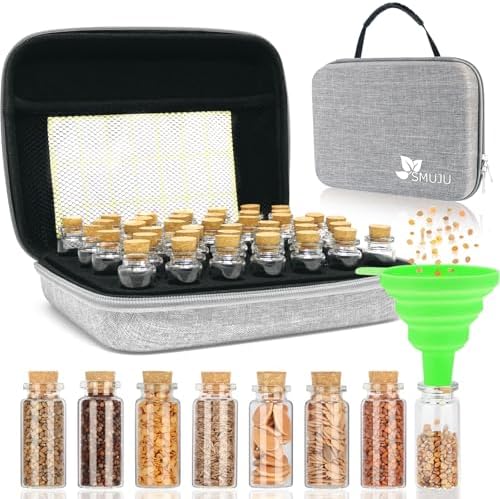
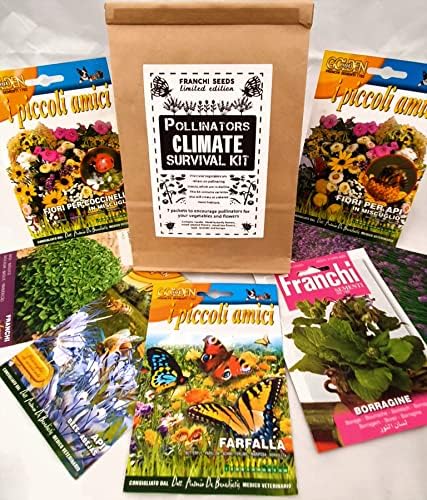
Another crucial benefit of survival seed vaults is their potential to promote biodiversity in gardening. By choosing heirloom seeds, gardeners can contribute to the preservation of varied plant species, which is essential for maintaining ecological balance and resilience. These vaults often include seeds that are adapted to diverse growing conditions, making it easier for individuals in various climates to cultivate their food regardless of the circumstances.
In times of physical or economic hardship, the importance of having a stable and reliable food source becomes increasingly noticeable. A well-prepared survival seed vault not only serves as a practical solution for growing food but also fosters a sense of security and empowerment. As global events can be unpredictable, equipping oneself with a supply of seeds for emergencies can be a wise step towards achieving greater self-sufficiency and resilience.
Types of Survival Seed Vaults
Survival seed vaults come in various types, each designed to meet specific gardening and survival needs. Understanding these different categories can help individuals make informed choices about which seeds to store for future planting.
One significant type is non-GMO seeds. These seeds are not genetically modified and are preserved to ensure that they maintain their natural characteristics. Non-GMO seeds are essential for gardeners who are concerned about the long-term viability of their crops and wish to cultivate plants without genetic alterations. Such seeds often lead to healthier plants and can be saved for subsequent planting seasons, making them a wise choice for sustainable gardening.
Heirloom seeds are another popular option. These are vegetable or flower seeds that have been passed down through generations, often featuring unique traits that make them particularly resilient to various growing conditions. Heirloom seeds are generally open-pollinated, which means they can grow true to type if properly saved. This aspect of heirloom varieties allows gardeners to preserve plant diversity, making them an excellent selection for those focused on self-sufficiency and genetic preservation of crops.
Hybrid seeds present a different option, often resulting from cross-breeding different plant varieties to yield offspring with specific traits, such as improved disease resistance or enhanced growth rates. While hybrid seeds can offer significant advantages in terms of yield and growth performance, they typically do not produce seeds that will grow true in subsequent seasons, which limits their appeal for long-term self-sustained gardening.
In conclusion, selecting the right type of survival seed vault involves considering options like non-GMO, heirloom, and hybrid seeds, each with unique advantages that cater to different gardening philosophies and survival strategies.
Essential Features to Look for in a Seed Vault
When selecting a survival seed vault, it is crucial to consider various features that can significantly influence your success in cultivating food at home. One primary factor is the shelf life of the seeds. Quality survival seeds are typically packaged to last many years, some even up to 25 years or longer, depending on the storage conditions. A longer shelf life ensures that you can store your seed vault without the immediate pressure to plant, thus allowing for flexibility in your gardening schedule.
Another essential aspect to evaluate is the packaging of the seeds. A well-designed seed vault should include seed packets that are properly sealed and moisture-proof to further enhance longevity. Additionally, look for packaging that provides clear information regarding the type of seeds, planting instructions, and the expected time to maturity. This transparency will guide you in planning your garden and ensuring a successful yield.
Seed variety is also a critical consideration when choosing a survival seed vault. A diverse selection of seeds not only offers a more extensive range of crops but also provides options that can adapt to different climates and soil types. Popular variants typically include vegetables, herbs, and even some fruits, which can help ensure a balanced diet.
Lastly, climate adaptability is a crucial criterion. When selecting a seed vault, confirm that the seeds included are suitable for your local environmental conditions. Some seeds are bred for specific zones, while others are more resilient and can thrive in various climates. Assessing the hardiness zones and understanding which plants will thrive where you live will inform your choice and enhance the overall success of your home gardening efforts.
Top Survival Seed Vault Kits Reviewed
In the realm of sustainability and preparedness, survival seed vault kits play a pivotal role in ensuring food security during uncertain times. Numerous variations of these kits are available in the market, each tailored for different environments and gardeners’ preferences. Below, we will review some of the leading survival seed vault kits, discussing their contents, price ranges, pros and cons, while highlighting the ideal conditions for their use.
One prominent option is the Heirloom Seed Vault. Priced around $120, this kit typically contains a diverse selection of over 50 heirloom seeds, including staples like corn, tomatoes, and beans. The pros of this vault include the ability to save seeds from mature plants for future planting, thus ensuring a sustainable food source. However, this option may not be appropriate for individuals living in extremely cold climates, as many heirloom varieties prefer warmer conditions.
The Gardeners Supply Company Emergency Seed Vault is another notable choice, averaging around $100. It emphasizes an extensive variety of vegetables and herbs, ideal for those keen on culinary growth. Its advantages include a long shelf life and inclusion of organic seeds. On the downside, it may lack sufficient legumes, which are vital for protein intake if food resources become scarce.
For those with a limited budget, the Survival Seed Bank is worth considering at approximately $50. While affordable, this kit features fewer seeds but covers key vegetables like carrots, peppers, and lettuce. Its compact size makes it suitable for urban environments or smaller gardens, though the limited selection can be restrictive for discerning gardeners seeking variety.
Lastly, the Field and Forest Seed Vault stands out for its focus on perennials and wild edibles, priced at about $150. This kit encourages biodiversity and is particularly useful in naturalistic environments. While its unique offerings may appeal to seasoned foragers, beginners may find it challenging to cultivate some of these plants without prior knowledge.
Each survival seed vault kit has unique features suited to various gardening approaches and environments. Ultimately, your choice will depend on your specific needs, climate, and gardening experience. Evaluating these options will empower you to select a seed vault that complements your objectives for growing your own food at home.
Effectively storing your seed vault is a crucial step in ensuring the viability of seeds for gardening and food production purposes. Proper storage practices help protect the seeds from environmental factors that can compromise their longevity, such as temperature fluctuations and humidity. Here are some recommended best practices for keeping your seed vault in optimal condition.
First, it is essential to maintain a stable temperature for the seeds. Ideally, the storage temperature should be around 32 to 41 degrees Fahrenheit (0 to 5 degrees Celsius). This cool environment prevents the seeds from germinating prematurely and extends their shelf life. Many gardeners recommend storing seeds in a refrigerator, particularly for long-term storage. However, if refrigeration is not an option, a cool, dark place in the house can also be suitable.
Humidity control is another critical factor in seed storage. Seeds need to be kept in a dry environment, as excess moisture can lead to mold growth and decay. The recommended humidity level for seed storage is below 20 percent. Using silica gel packets in the storage container can assist in absorbing moisture and maintaining a low humidity level. Additionally, consider storing seeds in airtight containers to protect them from external moisture and contaminants.
Airtight containers, such as glass jars, vacuum-sealed bags, or specially designed seed boxes, are highly effective for maintaining the quality of stored seeds. These containers help prevent pests from accessing the seeds while also shielding them from light, which can accelerate deteriorative processes. Label your containers with the date of storage and seed variety to make it easier to track the age and type of contents.
By following these guidelines for temperature control, humidity management, and using airtight containers, you can significantly increase the chances of preserving your seed vault’s viability for years to come, ensuring you have access to healthy seeds for future planting endeavors.
Growing Your Own Food: A Step-by-Step Guide
Growing your own food from seed vaults can be a rewarding and enriching experience. With the right approach, you can cultivate a sustainable source of fresh produce directly from your home. Below is a comprehensive guide to assist you through both the joys and challenges of home gardening.
Step 1: Soil Preparation
The first step in successful gardening is preparing your soil. Choose a location with adequate sunlight, as most vegetables need a minimum of six hours of direct sunlight each day. Clear the area of weeds and debris, and dig the soil to about 12 inches deep. Enrich the soil with organic matter such as compost or well-rotted manure to create a nutrient-rich environment. Soil testing can also help determine pH levels and nutrient content, which may be adjusted according to what you are planting.
Step 2: Seed Planting Techniques
Once your soil is prepared, it’s time to plant your seeds. Refer to the instructions provided with your seed vault kit, as different seeds have varying planting depths and spacing requirements. In general, sow the seeds in rows or clusters, following the guidelines for distance to ensure proper air circulation and growth. It can also be beneficial to plant seeds in small groups, as this can create a microclimate that fosters healthy growth.
Step 3: Watering
Watering your seeds effectively is crucial. Newly planted seeds require consistent moisture, but overwatering can lead to rot. A fine spray or gentle watering can encourage germination, while established plants generally benefit from deep watering less frequently. Monitor your plants for signs of dehydration, particularly during hotter months, and adjust your watering schedule as needed.
Step 4: Maintenance
After your seeds sprout, regular maintenance is essential for thriving plants. This includes weeding, which reduces competition for nutrients, and watching for pests that may threaten your garden’s health. Fertilizing the soil with appropriate organic supplements will support growth, while pruning can help control plant shape and yield. Keeping a gardening journal can aid in tracking progress and making informed decisions as you develop your home garden.
Ultimately, the process of growing food from your survival seed vault can be both enjoyable and educational. Adapting to the subtleties of gardening not only provides satisfaction but also empowers individuals to cultivate a fruitful home environment.
Challenges of Growing Food at Home
Growing food at home can be a fulfilling and rewarding endeavor; however, it comes with its own set of challenges. Understanding these challenges is essential for anyone looking to cultivate their own crops successfully. One of the most significant obstacles faced by home gardeners is pest management. Pests such as aphids, spider mites, and whiteflies can wreak havoc on a garden, causing damage that may compromise plant health and yield. Implementing natural pest control measures, such as introducing beneficial insects or using organic pesticides, can be effective ways to manage this issue without resorting to harmful chemicals.
Diseases pose another hurdle for home gardeners. Fungal infections and bacterial diseases can spread rapidly, particularly in humid conditions or when plants are overcrowded. Preventative measures, including crop rotation, selecting disease-resistant varieties, and ensuring proper ventilation, can mitigate the risk of disease affecting home-grown produce. Regular monitoring for signs of illness and timely intervention is crucial to preserving plant integrity.
Environmental factors such as soil quality, sunlight availability, and weather conditions also play a vital role in the success of growing food at home. Poor soil can lead to insufficient nutrient availability and compromised plant growth. It is advisable to conduct soil tests and amend the soil with organic matter to enhance fertility. Additionally, understanding the specific light requirements of various plants helps to ensure they receive adequate sunlight for optimal growth. Recognizing the local climate and adjusting planting schedules can also help gardeners navigate seasonal changes effectively.
To summarize, while there are various challenges to growing food at home, employing strategic solutions can enhance success rates. Being prepared for pests, diseases, and environmental fluctuations will allow home gardeners to reap the benefits of their efforts efficiently.
Sustainability and Self-Sufficiency Through Gardening
Growing your own food at home is not merely a personal endeavor; it embodies a larger commitment to sustainability and self-sufficiency. In an era where food security is increasingly threatened by environmental changes and global supply chain disruptions, home gardening emerges as a vital strategy for individuals and communities alike. By cultivating their own produce, homeowners contribute directly to their personal food security, decreasing dependence on commercial farming and minimizing the carbon footprint associated with transporting goods.
The practice of gardening fosters a sustainable lifestyle that extends well beyond the individual. When communities engage in native and organic gardening techniques, they collectively enhance local biodiversity. This not only contributes to healthier ecosystems but also improves environmental health by reducing the use of harmful pesticides and synthetic fertilizers. Sustainable gardening practices, such as crop rotation, permaculture, and companion planting, are instrumental in maintaining soil health and ecosystem balance, thereby creating a flourishing environment for both plants and wildlife.
Furthermore, growing food at home promotes resilience against food shortages and price fluctuations. In times of crisis, this self-sufficiency becomes invaluable, equipping individuals with the ability to produce essential nutrients independently. Community gardens, as a manifestation of collective gardening efforts, strengthen social bonds among residents, foster communal values, and provide a platform for knowledge-sharing about sustainable cultivation practices. Thus, home gardening acts as a catalyst for social interaction while enhancing the overall health and resilience of the community.
In summary, engaging in home gardening is an effective means of promoting sustainability and self-sufficiency. By taking personal steps to grow food, individuals not only secure their dietary needs but also contribute to the well-being of their communities and the environment, highlighting the interconnected nature of gardening, sustainability, and community health.
Conclusion: The Importance of Seed Vaults for Future Generations
Survival seed vaults are gaining prominence as essential tools for fostering food security and self-sufficiency in an increasingly unpredictable world. These compact kits, filled with a diverse array of non-hybrid seeds, serve not only as a means to grow food but also as an indispensable resource for future generations. In a time when climate change and socio-economic challenges threaten traditional agriculture, seed vaults emerge as a proactive measure that individuals and families can take to ensure their access to healthy, home-grown food.
By investing in a survival seed vault, aspiring gardeners can cultivate a wide variety of plants suited to local growing conditions. This not only enhances personal food independence but also reduces reliance on commercial food systems that may falter during crises. With the proper knowledge and dedication, these seeds can transform any space—be it a backyard, community garden, or even a windowsill—into a flourishing source of nourishment.
Moreover, introducing gardening and plant cultivation into households can foster a deeper appreciation for biodiversity and sustainable practices. It serves as a teaching tool for younger generations, instilling values of environmental stewardship and the importance of self-reliance. As families grow their own food, they also cultivate a sense of achievement and connection to the land that is invaluable.
In considering these aspects, it is evident that survival seed vaults play a crucial role not only in promoting immediate food security but also in preserving agricultural heritage and knowledge for future generations. Readers are encouraged to evaluate their options and take the necessary steps to embark on their gardening journeys. Whether for personal satisfaction or collective resilience, growing food at home can contribute significantly to a sustainable future.





Needed a reliable login for 5500betcomlogin. This page gets you straight there, no messing about. Bingo 5500betcomlogin.
73betapp, eh? Snagged the app myself. Simple interface and it’s working very nice for me. Have a looksie yourself 73betapp.
Downloaded the 8822betapp. Runs smooth as butter on my phone. Plus, they got a decent selection of jackpots. Worth a gander 8822betapp.